
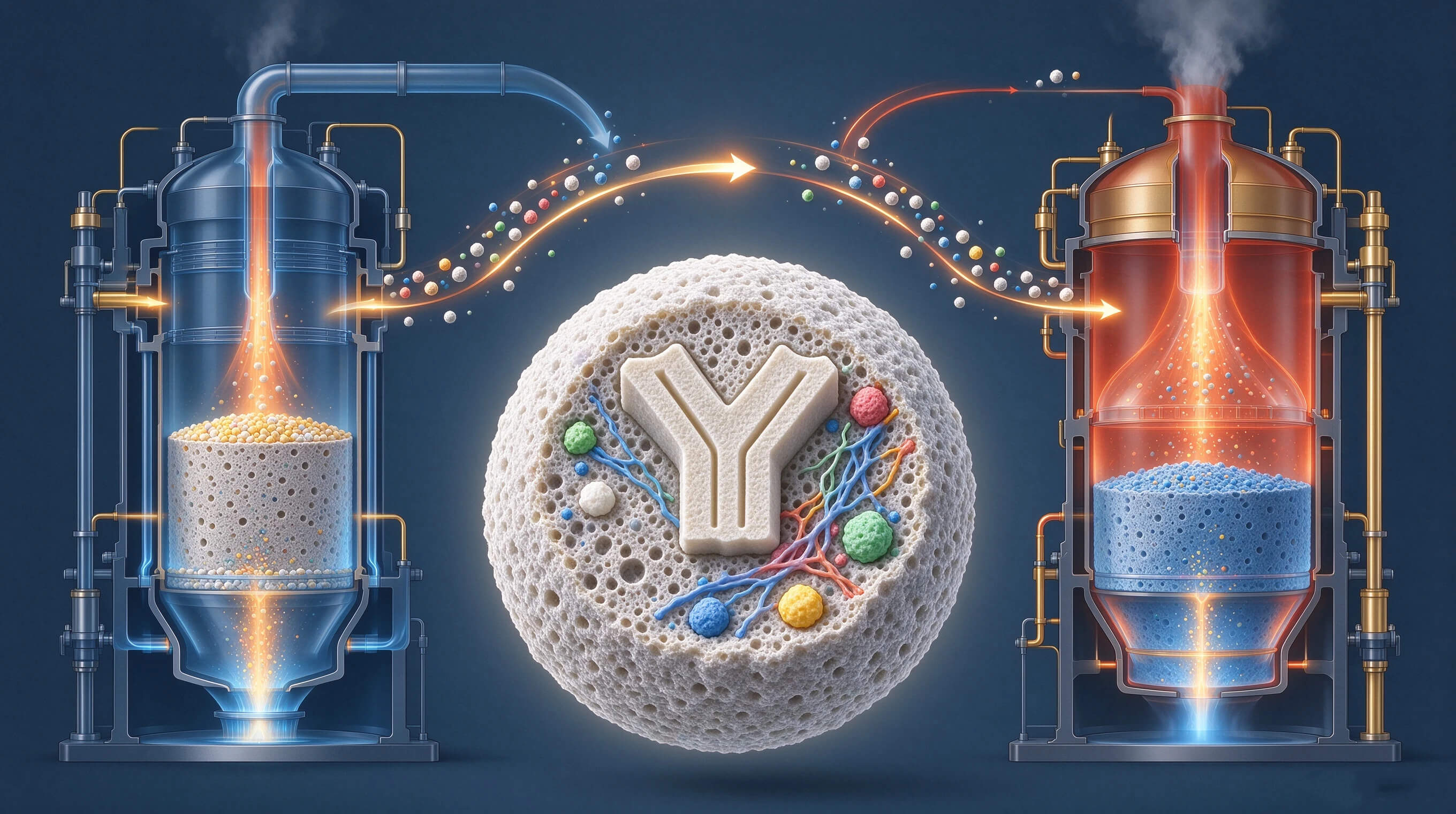
Fluid
catalytic cracking (FCC) is one of the most important conversion processes in a
modern refinery. It takes heavy, low-value oil fractions and turns them into
gasoline, diesel, and valuable petrochemical feedstocks. The catalyst sits at
the center of this process, and understanding how FCC catalysts are
classified—and what each type is designed to do—gives a clear picture of how
the refining industry operates.
Classification
by Function
FCC
catalysts are not a single product. They are a family of materials engineered
for different goals. The most common way to classify them is by the product
slate they are designed to maximize.
Gasoline
FCC catalysts are the traditional workhorses. Their primary job is to convert heavy gas oil
into high-octane gasoline. They rely on zeolite Y, a crystalline
aluminosilicate with large pores that allow hydrocarbon molecules to enter and
crack into gasoline-range products. These catalysts balance activity,
stability, and selectivity to maximize gasoline yield while keeping coke
formation under control.
Octane
FCC catalysts are a variation on the gasoline theme. Rather than maximizing total gasoline
volume, they prioritize octane number. This is achieved through higher zeolite
activity and the use of additives like ZSM-5, which selectively cracks
low-octane olefins into higher-octane components. These catalysts became
especially important after the phase-out of lead additives in gasoline.
Resid
FCC catalysts are designed for the heaviest, dirtiest feedstocks. Atmospheric residue
contains large molecules, high levels of contaminant metals like nickel and
vanadium, and significant amounts of asphaltenes. Resid catalysts feature a
more open pore structure, a higher matrix content, and metal-trapping additives
to handle these challenges. They must resist poisoning and maintain
accessibility to active sites even as metals deposit on the catalyst surface.
Another
classification dimension is the additive blended into the catalyst
inventory. ZSM-5 additives boost propylene yield and octane. Metal passivators
control the damage from nickel and vanadium. CO combustion promoters ensure
clean regeneration. These additives are not standalone catalysts—they work
alongside the main zeolite Y catalyst to fine-tune performance.
Where
FCC Catalysts Are Used
The
primary application of FCC catalysts is, of course, in the FCC unit of a
petroleum refinery. The FCC process accounts for a substantial share of global
gasoline production and is a major source of propylene for the petrochemical
industry.
Beyond
the refinery, FCC catalysts and their components are finding use in related
areas. Spent FCC catalyst can be repurposed for waste tire pyrolysis,
methanol-to-hydrocarbons reactions, and esterification processes. The
technology is also being explored for converting biomass-derived feedstocks
into fuels and chemicals.
What
the Future Holds
The
FCC catalyst market is substantial and growing. Estimates place the global
market in the range of several billion US dollars, with steady growth projected
over the coming decade. Several forces are shaping the future of this market.
The
shift toward more chemicals and less fuel is one of the most significant
trends. As demand for transportation fuels plateaus in some regions, refiners
are looking to FCC units to produce more propylene and other light olefins.
Catalyst formulations and additives are being optimized for this "maximum
light olefins" mode of operation.
Heavier
and more challenging feedstocks are another driver. As light crude reserves decline,
refineries are processing more heavy oil, oil sands bitumen, and residue. This
requires catalysts with better metal tolerance, improved accessibility, and
greater resistance to coke formation. Recent developments include rare-earth-based
vanadium trapping technology and catalysts designed to minimize eutectic
formation from iron and calcium.
Environmental
regulations continue to push catalyst innovation. Cleaner fuels with lower sulfur content
require more active catalysts and better selectivity. Emissions of nitrogen
oxides and other pollutants from the regenerator are being addressed through
novel catalytic strategies.
Digitalization is emerging as a new
frontier. Researchers are using advanced characterization techniques and
data-driven models to understand how mass transfer, acidity, and coke formation
interact within the catalyst particle. This knowledge is being used to design
catalysts with molecular-level precision, improving efficiency and extending
catalyst life.
A
Technology That Keeps Evolving