
Competing production processes for PO produce large quantities of by- or co-products. Evonik and thyssenkrupp (tkIS) have
therefore developed and commercialized a smart process that is more efficient and more environmentally friendly. It’s known as
“Hydrogen Peroxide to Propylene Oxide” (HPPO), and is licensed by tkIS and Evonik. In the HPPO process hydrogen peroxide is used
as the oxidizing agent to oxidize propylene to propylene oxide with only water as co-product. The catalyst system utilized within
the HPPO process is based on titanium silicalite (TS-1), a zeolite, in which individual silicon atoms have been replaced with
titanium atoms. This unique catalyst has been developed by us and has proven to be excellent for epoxidation and ammoxidation
reactions with hydrogen peroxide
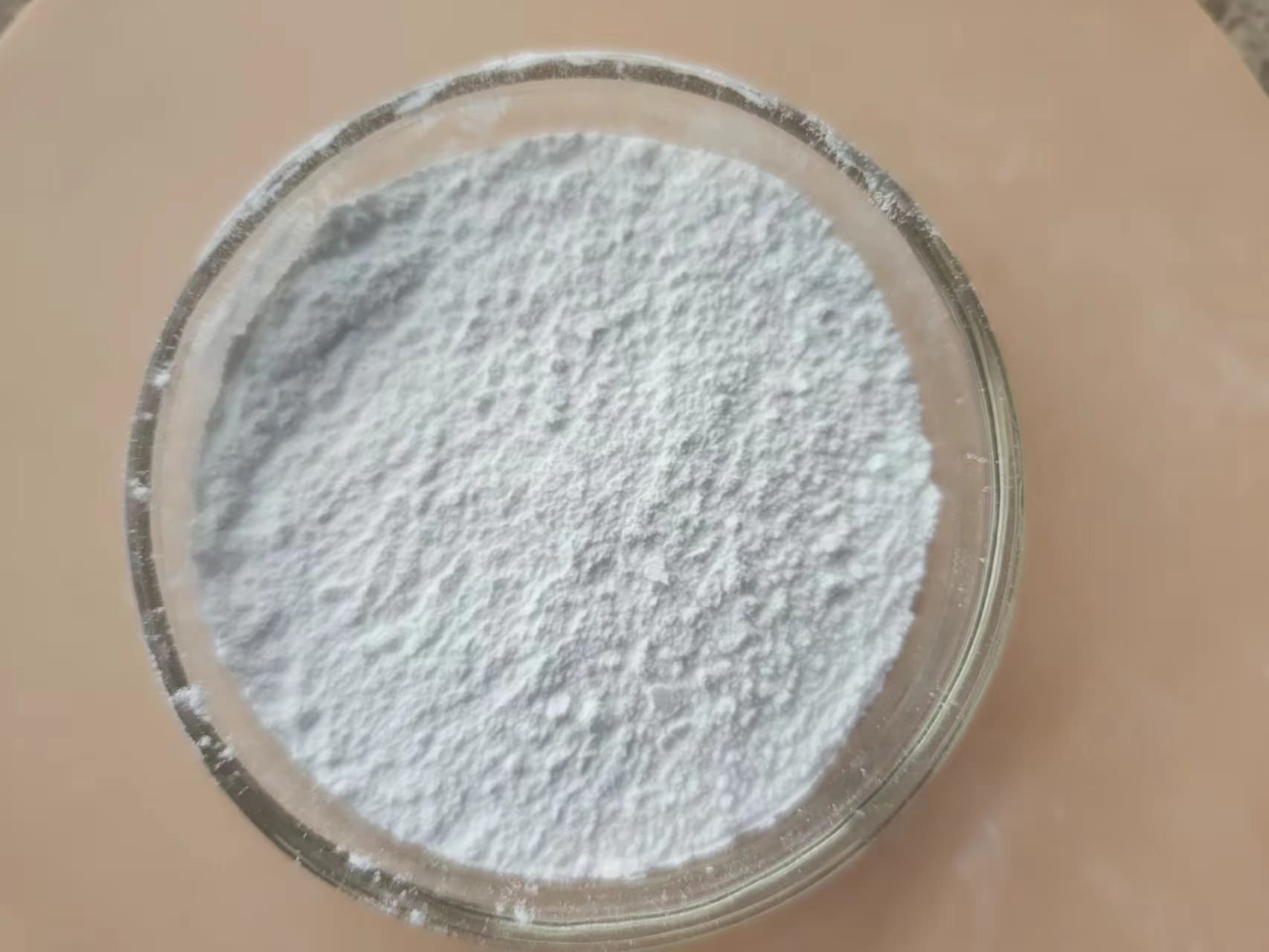
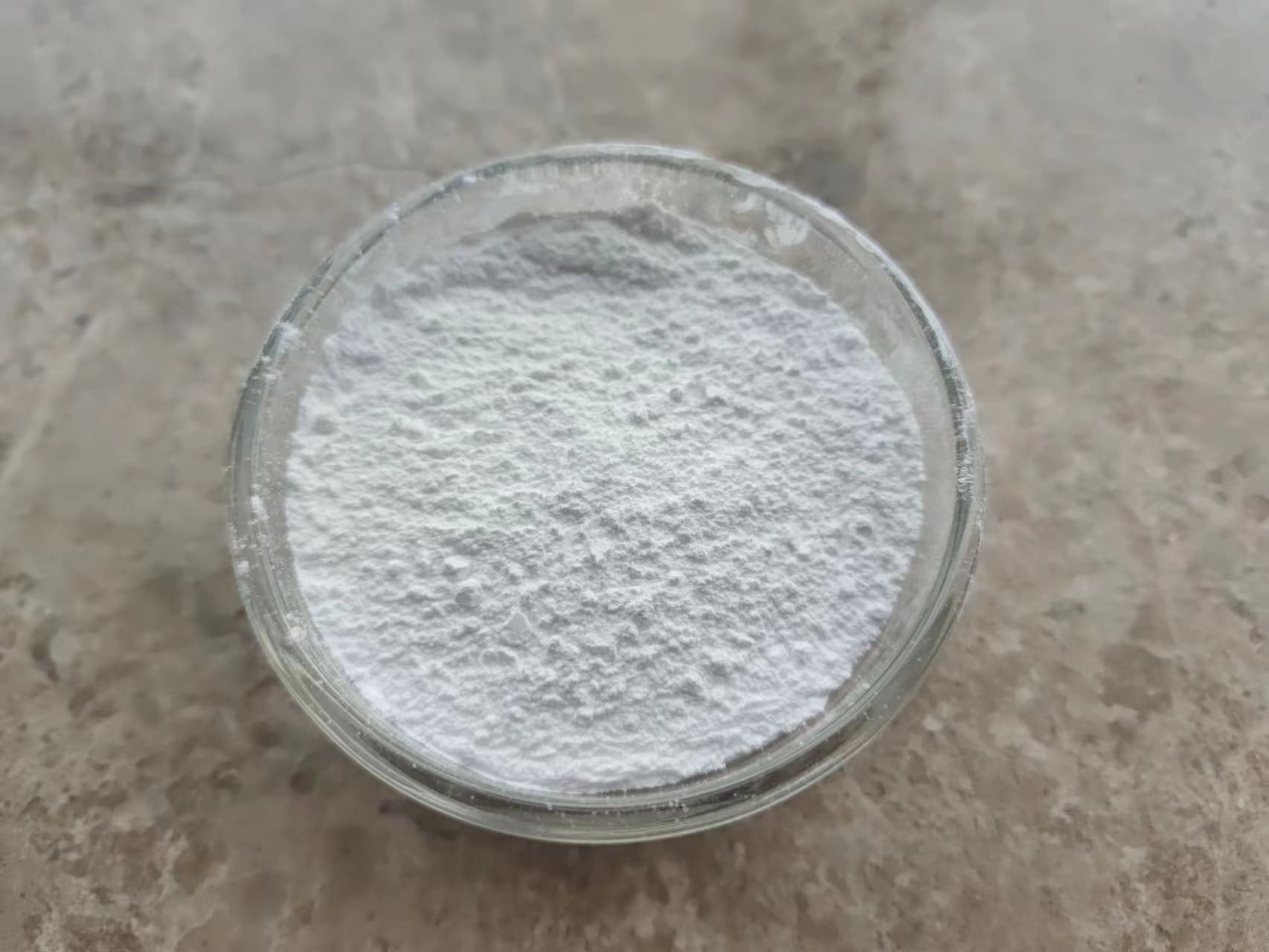
Our TS-1 catalyst support customized according to different process specially used in HPPO Hydrogen Peroxide to Propylene Oxide – process ,high-quality hydrogen peroxide is used as an oxidizing agent and catalyst TS-1 to oxidize propylene to propylene oxide. Propylene oxide is mainly used in the production of polyurethane foams, which can be found in applications such as mattresses, car seats, or thermal insulation.
|
Index
|
Unit
|
Figure
|
||
|
Index of single digit (SiO2 /TiO2)
|
The molar ratio
|
25-40
|
||
|
The sodium content of
|
W t%
|
0.01%
|
||
|
The grain size of
|
um
|
0.2-0.4
|
||
|
Bulk Density
|
g/ml
|
0.55±0.1
|
||
|
specific surface area g
|
m2/g
|
≥450
|
||
|
Water content
|
W t%
|
< 2%
|
||
|
Packing
|
Bag/drum
|
25kg
|
||
|
The reaction performance of amine oxime
|
||||
|
Raw material conversion rate (%)
|
≥99.9%
|
|||
|
The epoxidation reaction performance (%)
|
≥99%
|
|||
|
The one-way service life
|
≥240hour
|
|||
|
The total life
|
≥3000hour
|
|||
|
The properties of epoxy reaction
|
||||
|
The epoxidation reaction performance (%)
|
≥99.9%
|
|||
|
Product selectivity (%)
|
≥95%
|
|||
|
Life
|
≥400hour
|
|||